A more open culture
Help challenge some of the stigma and misconceptions that can make mental health difficult to talk about.
A practical three-hour course for organisations and groups that want to challenge stigma, build confidence around mental health conversations and help people respond more thoughtfully when someone is struggling.
Enquire about this course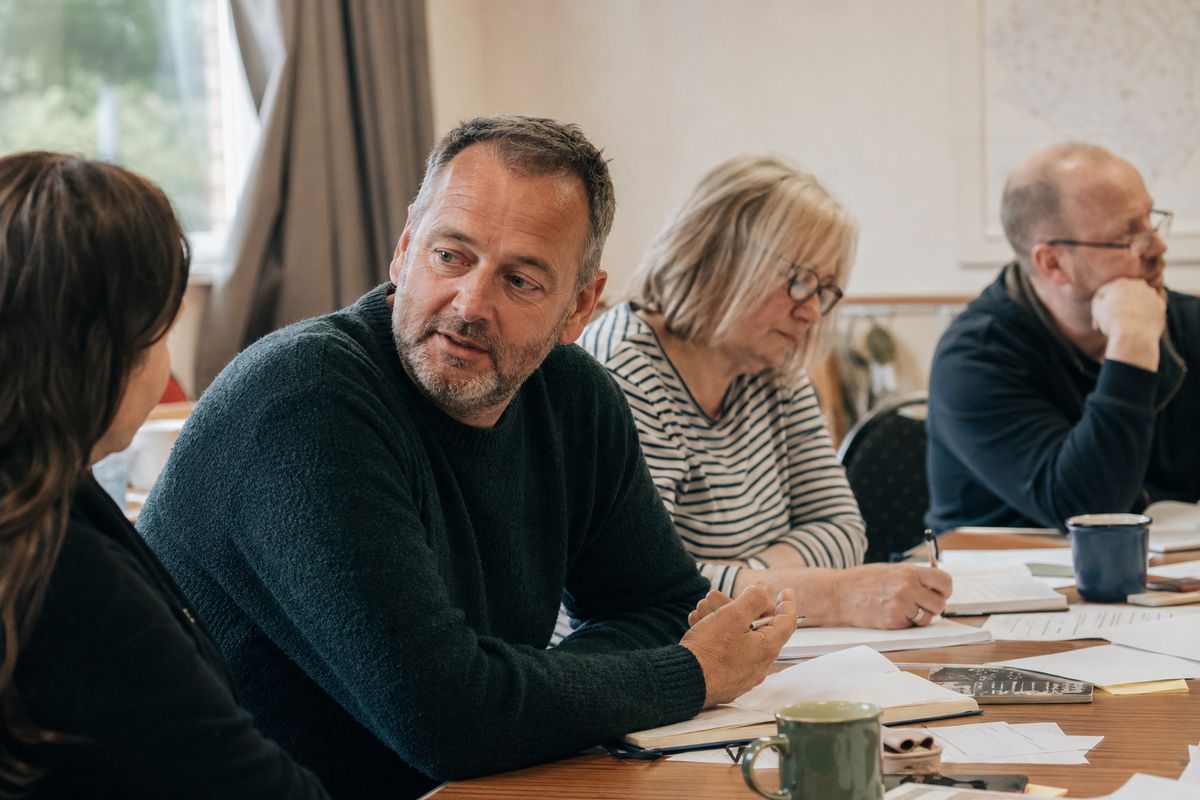
Our attitudes towards mental health are shaped by many things: what we hear, what we experience, the language people use and assumptions that can go unchallenged.
Those attitudes can have practical consequences. Fear, judgement, stereotypes and expectations that people should simply cope can make it harder for someone to talk openly about what they are experiencing, ask for support or feel understood.
This three-hour module gives participants time to look more closely at some of those attitudes and where they can lead. Through discussion, case studies, videos and practical activities, the group explores stigma, stereotypes and language, reflects on assumptions around mental health and considers how we can respond in more informed and supportive ways.
Workplaces, educators, healthcare teams, community organisations and other groups looking to build greater understanding and confidence around mental health.
Help challenge some of the stigma and misconceptions that can make mental health difficult to talk about.
Develop a stronger shared understanding of how language, attitudes and assumptions can affect the way people respond to mental health difficulties.
Give people a clearer foundation for approaching mental health conversations thoughtfully and responding more supportively.
Identify some common assumptions surrounding mental health and consider how they can affect the way people are viewed and treated.
Explore how stigma and judgement can affect someone’s experiences and make it harder to speak openly or seek support.
Consider how words can reinforce assumptions and how more thoughtful language can support better conversations.
Consider how our experiences and beliefs can influence the way we think about and respond to mental health difficulties.
Identify practical ways to challenge unhelpful attitudes, stay open to conversations and offer appropriate support.
We look at some of the common assumptions surrounding mental health and how they can influence the way people are viewed, treated and supported.
We explore how language can shape attitudes towards mental health, sometimes reinforcing stigma without us realising it.
We consider what happens when mental health difficulties are seen as something that affects “other people”, and how greater understanding can change the way we respond.
We look at different forms of stigma and how they can affect someone’s willingness to speak openly, seek support and participate in everyday life.
We explore practical ways to stay open to conversations, offer appropriate support and challenge attitudes or assumptions that may be unhelpful.
There is space to consider the experiences, beliefs and assumptions that influence our own responses to mental health.
A focused three-hour module, giving the group time to explore the subject without committing to a full-day course.
Groups are usually kept to 8–16 people, allowing time for discussion, questions and participation.
The session combines presentation, discussion, case studies, videos and practical activities rather than relying on slides alone.
Clear expectations around confidentiality and respect help people ask questions and discuss potentially difficult subjects without judgement.
Green Ribbons was founded by Jean Pryde after 30 years working in mental health settings. That experience sits behind a practical, plain-speaking approach to training that takes difficult subjects seriously without making them harder to talk about than they need to be.
Based in Moray and working across Scotland, Green Ribbons has delivered training for organisations including Diageo, Macallan and the Royal College of Veterinary Surgeons, alongside professional bodies and community groups.
Tell us a little about your group and what you’re looking for. We can talk through whether this course is the right fit and the practical arrangements.


Open this course on your phone or send it to someone else.
Scan with your phone camera to open the same information on your mobile.
Pass the link to a colleague, save it for later or share it with someone else.