Earlier recognition and conversation
Build awareness of some of the signs that depression may be affecting someone’s day-to-day life, helping people feel more able to notice changes and start a conversation.
A practical three-hour course for organisations and groups that want people to better understand depression, recognise when someone may be struggling and feel more confident starting supportive conversations and helping them find appropriate support.
Enquire about this course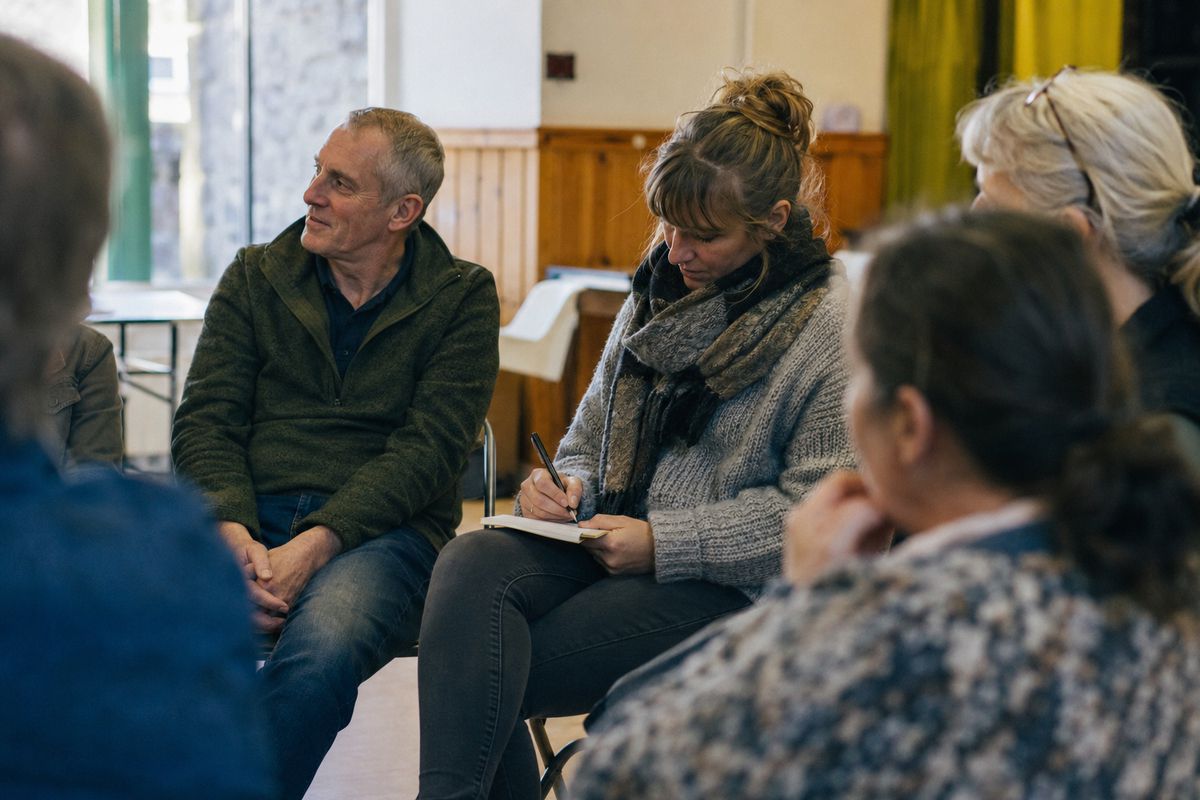
Depression is more than feeling sad or having a difficult few days. It can affect mood, motivation, concentration, sleep, energy, appetite, relationships and the ability to manage everyday life. It can also look very different from one person to another, and someone who appears to be functioning well may still be experiencing significant difficulties.
Misconceptions can make things harder. Ideas that depression is a sign of weakness, that someone should simply “snap out of it”, or that there must always be an obvious cause can add to stigma and make it more difficult for people to talk about what they are experiencing or ask for support.
This three-hour module looks at depression in a practical mental health context. Participants explore common signs and contributing factors, challenge some of the assumptions surrounding depression, consider how to approach someone they are concerned about and think about appropriate first-line support, personal boundaries and routes to professional help.
Workplaces, professional teams, healthcare professionals, community organisations and other groups that want people to feel better informed and more confident when depression becomes part of a mental health conversation.
Build awareness of some of the signs that depression may be affecting someone’s day-to-day life, helping people feel more able to notice changes and start a conversation.
Challenge some of the assumptions that can minimise depression or place blame on the person experiencing it, supporting a more informed and thoughtful response.
Help people understand what useful first-line support can look like, where their own role begins and ends, and when someone may need professional or urgent help.
Explore depression as a complex mental health difficulty, including some of the emotional, cognitive, behavioural and physical ways it can affect people.
Consider some of the changes that may suggest someone is experiencing depression, while recognising that there is no single way depression looks.
Examine assumptions about weakness, willpower, causes and visibility, and consider how these ideas can affect the way someone is understood and supported.
Develop a more thoughtful approach to starting a conversation, listening without judgement and responding without feeling you need to diagnose or solve the problem.
Consider appropriate first-line support, personal boundaries and when professional, specialist or urgent help may be appropriate.
We look at depression as more than a period of sadness, exploring some of the emotional, cognitive, behavioural and physical ways it can affect a person’s everyday life.
Participants consider some of the signs that may indicate someone is struggling, including changes in mood, motivation, energy, sleep, concentration and interest in things they would normally enjoy.
We explore common assumptions about depression, including ideas about weakness, willpower and visibility, and how these attitudes can make it harder for someone to speak openly or seek support.
We consider how to approach someone you are concerned about, listen with empathy and avoid responses that dismiss, minimise or place pressure on the person.
The session looks at appropriate first-line support, personal boundaries and what to do when there are concerns about someone’s immediate safety or wellbeing.
We consider the importance of appropriate professional support, some of the different forms help may take and how someone can be encouraged towards support without trying to take responsibility for their recovery yourself.
A focused three-hour module with time to explore the subject without requiring a full-day course.
Groups are usually kept to 8–16 people, allowing time for discussion, questions and participation.
The session uses a mixture of presentation, group discussion, case studies, videos and practical activities rather than relying on slides alone.
Clear expectations around confidentiality and respect help participants ask questions and discuss a subject that can sometimes feel difficult or personal.
Green Ribbons was founded by Jean Pryde after 30 years working in mental health settings. That experience sits behind a practical, plain-speaking approach to training that takes difficult subjects seriously without making them harder to talk about than they need to be.
Based in Moray and working across Scotland, Green Ribbons has delivered training for organisations including Diageo, Macallan and the Royal College of Veterinary Surgeons, alongside professional bodies and community groups.
Tell us a little about your group and what you’re looking for. We can talk through whether this course is the right fit and the practical arrangements.
Open this course on your phone or send it to someone else.
Scan with your phone camera to open the same information on your mobile.
Pass the link to a colleague, save it for later or share it with someone else.