Better everyday conversations
Build practical listening habits that can support clearer, more respectful communication when someone needs to talk.
A practical three-hour course for organisations and groups that want people to listen more effectively, feel more confident in difficult conversations and respond supportively without feeling they have to fix everything.
Enquire about this course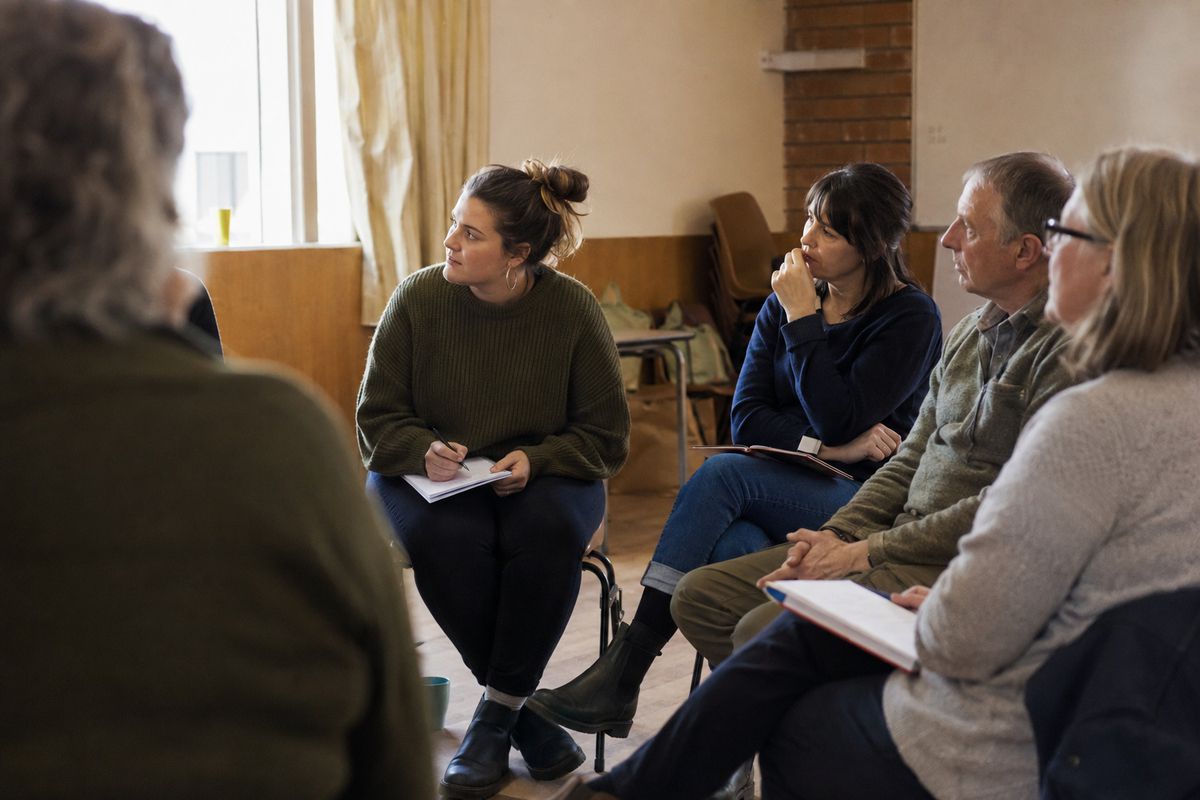
Listening can sound simple, but there is a difference between hearing someone and giving them the space to feel genuinely heard. In conversations about mental health, that can mean paying attention without interrupting, noticing verbal and non-verbal cues, asking questions that keep the conversation open and resisting the urge to jump straight to advice or solutions.
When someone is struggling, people often want to help quickly. That instinct is understandable, but rushing to reassure, solve the problem or offer an opinion can sometimes close a conversation down. Good listening is active and purposeful. It can help build trust, reduce judgement and make it easier for someone to talk honestly about what they are experiencing.
This three-hour module gives participants practical ways to strengthen their listening skills. The group explores active listening, empathy, open questions, communication barriers and difficult conversations, alongside the importance of boundaries and recognising when someone may need further support.
Workplaces, managers and team leaders, educators, healthcare professionals, community organisations, volunteers and other groups where people may find themselves having supportive or sensitive conversations.
Build practical listening habits that can support clearer, more respectful communication when someone needs to talk.
Help people feel less unsure about sensitive mental health conversations by giving them a simple, practical approach to listening and responding.
Strengthen understanding that listening well does not mean becoming a counsellor, solving the problem or taking responsibility for another person’s wellbeing.
Use practical active-listening techniques to give someone space to speak and show that their thoughts and feelings are being taken seriously.
Explore the use of open questions, reflection and paraphrasing to encourage conversation without interrogating, directing or making assumptions.
Consider verbal and non-verbal cues and how tone, body language, pauses and other signals can contribute to understanding.
Recognise common habits such as interrupting, giving unsolicited advice or jumping to solutions, and consider more supportive alternatives.
Explore ways to handle communication barriers and emotional reactions while staying clear about your role and recognising when further support may be appropriate.
We look at why listening is an active part of supportive communication and how feeling heard can help build trust and make difficult conversations easier to continue.
Participants explore verbal and non-verbal techniques including open questions, reflection, paraphrasing, patience and giving someone time to speak.
The module considers some of the signs or changes that may suggest someone is experiencing mental health difficulties and how listening can form part of an appropriate first response.
We consider how to reduce judgement, avoid unnecessary interruption and create the conditions in which someone feels more able to speak openly.
Participants explore barriers such as assumptions, personal biases, emotional reactions and differences in communication, and consider ways to handle sensitive conversations respectfully.
Supporting other people can sometimes be demanding. The session includes space to think about personal boundaries, your own wellbeing and why listening well does not mean carrying responsibility alone.
A focused three-hour module with time to practise and explore listening skills without requiring a full-day course.
Groups are usually kept to 8–16 people, allowing time for discussion, questions and participation.
The session uses a mixture of presentation, group discussion, case studies, videos and practical activities, with opportunities to think about how listening works in real conversations.
Clear expectations around confidentiality and respect help participants ask questions, reflect on their own communication habits and discuss potentially sensitive situations without judgement.
Green Ribbons was founded by Jean Pryde after 30 years working in mental health settings. That experience sits behind a practical, plain-speaking approach to training that takes difficult subjects seriously without making them harder to talk about than they need to be.
Based in Moray and working across Scotland, Green Ribbons has delivered training for organisations including Diageo, Macallan and the Royal College of Veterinary Surgeons, alongside professional bodies and community groups.
Tell us a little about your group and what you’re looking for. We can talk through whether this course is the right fit and the practical arrangements.


Open this course on your phone or send it to someone else.
Scan with your phone camera to open the same information on your mobile.
Pass the link to a colleague, save it for later or share it with someone else.